Nervous System Regulation: Why It Matters
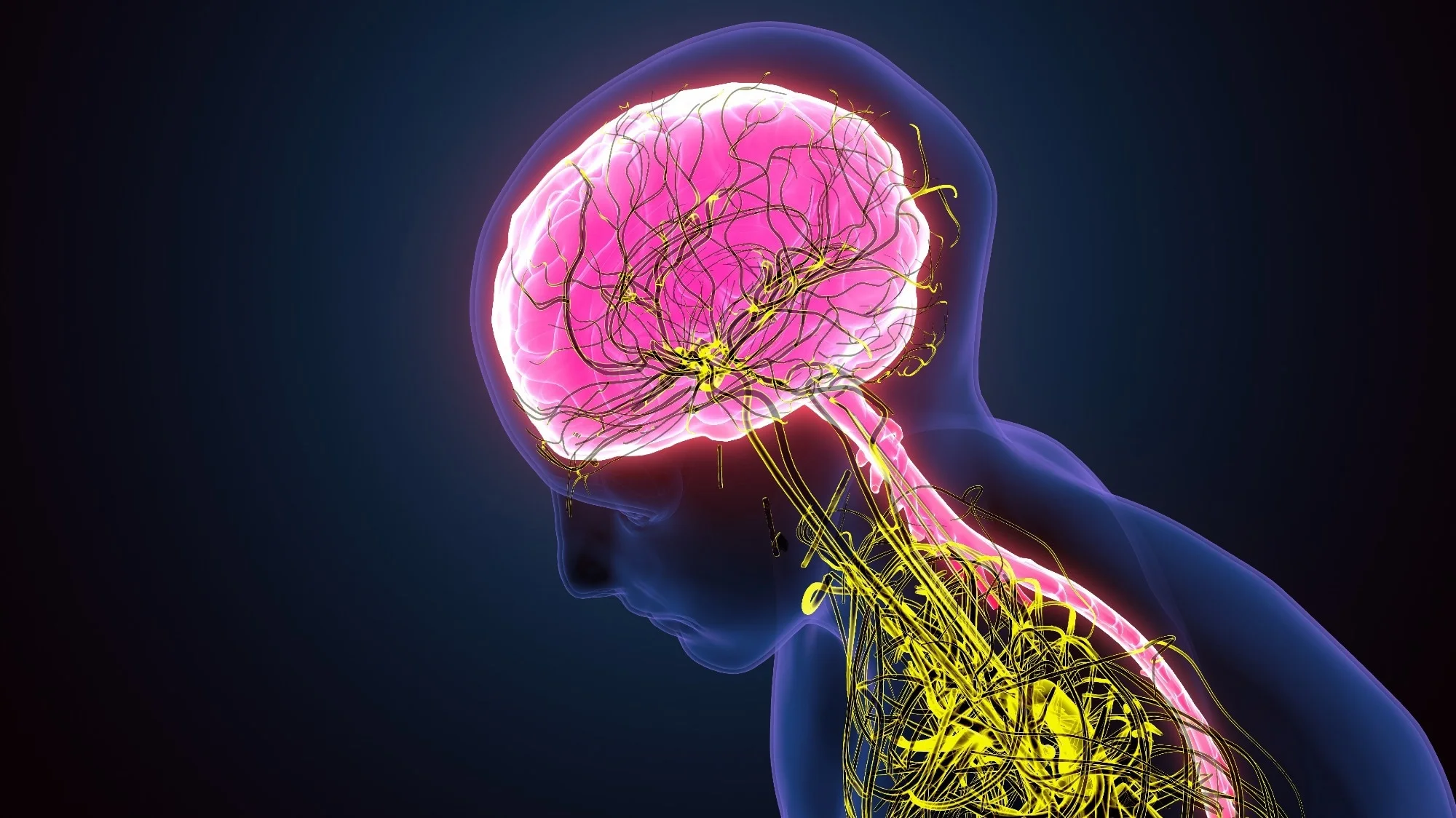
Nervous system regulation refers to the brain and body’s ability to maintain balance, adapt to stress, and return to a state of safety after challenge. When regulation is working well, we can think clearly, manage emotions, tolerate sensory input, and respond flexibly to everyday demands.
When regulation is disrupted for long periods of time, the effects are often felt cognitively, emotionally, and physically. People may experience chronic stress, anxiety, burnout, brain fog, sleep disruption, emotional reactivity, or a sense of being constantly overwhelmed or shut down.
Increasingly, individuals seeking nervous system regulation support are realising that insight, rest, or willpower alone are not always enough. This is where neurofeedback can play a role.
The Nervous System and Chronic Stress
The nervous system is designed to respond to challenge and then recover. However, when stress becomes ongoing, whether due to workload, sensory overload, emotional strain, or long-term adaptation to demanding environments, the system can become stuck in survival states.
In these states, the brain prioritises safety over higher cognitive functioning. Attention, memory, emotional regulation, and executive functioning become less accessible. Over time, this pattern contributes to burnout, exhaustion, and the sense that the brain no longer works the way it once did.
This pattern is commonly seen in people experiencing burnout, masking exhaustion, chronic anxiety, or nervous system dysregulation.
What Is Neurofeedback?
Neurofeedback is a non-invasive, brain-based approach that supports the brain’s ability to regulate itself. Using sensors placed on the scalp, neurofeedback monitors brain activity in real time and provides feedback that allows the brain to adjust its own patterns.
Rather than forcing change, neurofeedback works with the brain’s natural capacity for neuroplasticity, its ability to reorganise and adapt. Over time, this process can support more stable regulation, improved flexibility, and greater resilience to stress.
Neurofeedback does not require effort, concentration, or conscious control. This makes it particularly suitable for individuals whose nervous systems are already overtaxed.
Neurofeedback and Nervous System Regulation
Nervous system regulation depends on the brain’s ability to coordinate arousal, attention, emotion, and sensory processing. When these systems are out of balance, individuals may experience hyperarousal (anxiety, restlessness, racing thoughts) or hypoarousal (shutdown, fatigue, emotional numbness).
Neurofeedback supports regulation by helping the brain stabilise its underlying rhythms. As regulation improves, the nervous system can move more flexibly between states, rather than becoming stuck in overactivation or collapse.
This bottom-up support allows higher cognitive functions, such as focus, memory, emotional reflection, and problem-solving, to become more accessible again.
Supporting Burnout and Brain Fog
Burnout is increasingly understood as a state of nervous system overload rather than a lack of resilience. In burnout, the brain enters an energy-conserving mode, reducing access to non-essential cognitive processes.
Neurofeedback can support recovery by addressing regulation at a foundational level. As arousal patterns stabilise, individuals may notice improvements in:
- Mental clarity and reduced brain fog
- Emotional steadiness
- Sleep quality
- Stress tolerance
- Capacity to focus without pushing
Importantly, this process does not rely on effort or performance, which can be crucial for those recovering from burnout or masking exhaustion.
Neurofeedback, Masking, and Sensory Overload
Long-term masking, the ongoing effort to manage responses, suppress needs, or adapt to unsupported environments, places a sustained load on the nervous system. Over time, this can reduce the brain’s capacity to regulate efficiently.
Neurofeedback offers a way to support regulation without adding further demand. By working directly with brain activity, it helps the nervous system settle into patterns associated with safety and stability.
As sensory filtering and arousal regulation improve, individuals may experience reduced overwhelm, greater tolerance to stimulation, and improved emotional regulation.
A Regulation-Focused Approach: ILF Neurofeedback
Infra-Low Frequency (ILF) Neurofeedback is a specialised form of neurofeedback that focuses on the brain’s slowest regulatory rhythms. These rhythms play a critical role in autonomic regulation, emotional stability, and sensory processing.
Rather than targeting symptoms directly, ILF Neurofeedback prioritises the brain’s capacity to self-organise. This approach can be particularly supportive for individuals experiencing:
- Chronic stress or anxiety
- Burnout and nervous system exhaustion
- Brain fog
- Sensory overload
- Difficulties with emotional regulation
By supporting regulation at this foundational level, the brain can gradually restore balance and flexibility.
What Neurofeedback Is Not
Neurofeedback is not a quick fix, a cognitive strategy, or a replacement for appropriate psychological or medical support. It does not require reliving experiences or analysing thoughts, and it does not impose change from the outside.
Instead, it provides the conditions that allow the nervous system to recalibrate and recover at its own pace.
Moving Forward
Difficulties with regulation, burnout, or chronic stress are not signs of weakness or failure. They reflect a nervous system that has been adapting under sustained demand.
Neurofeedback offers a way to support regulation from the ground up, working with the brain’s natural processes rather than against them.
At Encephalon Edinburgh, we take a regulation-focused, individualised approach to neurofeedback. If you are exploring ways to support nervous system regulation and would like to understand whether neurofeedback may be appropriate for you, we offer consultations to discuss your needs and goals.