
For many families, the summer holidays are something to look forward to. There’s more time together, fewer early mornings and the chance to make lasting memories. However, for some children, the end of the school term can bring unexpected challenges. A sudden change in routine can affect behaviour, sleep, emotions and overall wellbeing, leaving parents wondering why their child seems unsettled.
If you’ve noticed your child struggling since school finished, you’re not alone. A consistent summer routine for children can make a significant difference, especially for children with ADHD, autism, anxiety, sensory processing differences or other neurological conditions.
Why a Summer Routine for Children Is So Important
Children thrive on predictability. During term time, school naturally provides structure. Wake-up times, meals, learning, playtime and bedtime all happen in a familiar rhythm. This consistency helps reduce uncertainty and allows the brain to focus on learning, socialising and regulating emotions.
When summer holidays begin, that structure often disappears overnight. While many children enjoy the extra freedom, others can find the lack of routine overwhelming. A predictable summer routine for children provides reassurance, helping them understand what to expect each day and reducing the mental effort of constantly adapting to change.
How School Holidays Can Affect the Brain
Changes in routine don’t just affect a child’s diary—they affect the brain. During the holidays, children may experience different sleep and wake times, more screen time, less physical activity, new environments, busy family outings, changes in meal times, less social interaction with classmates and more unstructured time.
For some children, these changes are exciting. For others, they can increase stress and make emotional regulation much harder. This doesn’t mean your child is being difficult or going backwards. Their brain is simply working harder to adapt.
Signs Your Child May Be Struggling During the Summer Holidays
Every child is different, but many parents notice changes such as increased emotional outbursts, more anxiety or worry, difficulty sleeping or staying asleep, becoming overwhelmed more easily, increased sensory sensitivities, difficulty transitioning between activities, reduced concentration, increased frustration, more reliance on screens and feeling exhausted after busy days.
These behaviours are often a sign that your child needs more support and predictability, not less.
Creating a Summer Routine for Children Doesn’t Mean Every Minute Has to Be Planned
One of the biggest misconceptions is that routines have to be rigid. In reality, a helpful summer routine for children provides gentle structure while still allowing plenty of flexibility and fun.
Keeping wake-up and bedtimes reasonably consistent can help maintain healthy sleep patterns. Using a simple visual timetable or daily checklist can reduce anxiety by helping children understand what to expect. Balancing busy activities with quiet time gives the brain an opportunity to recover, especially after stimulating outings or social events. Preparing your child in advance for new places or changes in plans can also make transitions feel less overwhelming. Even maintaining familiar routines such as reading together before bed, eating meals at similar times or taking an evening walk can provide reassuring anchors throughout the holidays.
How Neurofeedback May Support Children During the Summer Holidays
While neurofeedback doesn’t replace routines, it may help the brain respond more effectively when routines change.
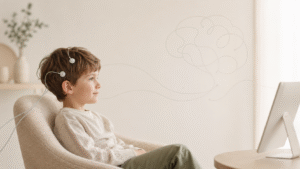
Neurofeedback is a non-invasive form of brain training that helps the brain learn to regulate itself more efficiently. At Encephalon, we work with children experiencing a wide range of neurological and emotional challenges, tailoring every programme to the individual rather than focusing solely on a diagnosis.
Families often seek neurofeedback support for concerns including emotional regulation, anxiety, attention and focus, sleep difficulties, sensory processing, managing transitions and building resilience to change. Many families continue sessions throughout the summer because the holidays can highlight areas where extra support may be beneficial. While every child responds differently, the goal is always to help the brain develop healthier patterns of self-regulation, making everyday life feel more manageable.
Remember: Your Child Isn’t Giving You a Hard Time
When routines disappear and behaviours change, it’s easy for parents to question what they’re doing wrong. In reality, children are rarely choosing to make life difficult. More often, they’re having a difficult time themselves.
Recognising that behaviour is often communication rather than defiance can help parents respond with understanding instead of frustration. A simple summer routine for children doesn’t have to be perfect. Small moments of consistency, reassurance and predictability can help children feel safer, calmer and more confident throughout the school holidays.
We’re Here to Support You
If you’ve noticed that your child is finding the school holidays particularly challenging, you’re not alone. Whether you’re concerned about anxiety, emotional regulation, attention, sleep or transitions, our team is here to answer your questions and help you explore whether neurofeedback could be the right option for your family.
We offer a free consultation where you can discuss your child’s individual needs, learn more about how neurofeedback works and decide whether it’s the right next step, with no obligation and no pressure.
At Encephalon, we believe every child deserves the opportunity to thrive, both during the school year and throughout the summer holidays. By supporting the brain’s ability to regulate itself and helping families better understand the impact of routine, we hope to make each season feel a little easier for both children and the people who care for them.