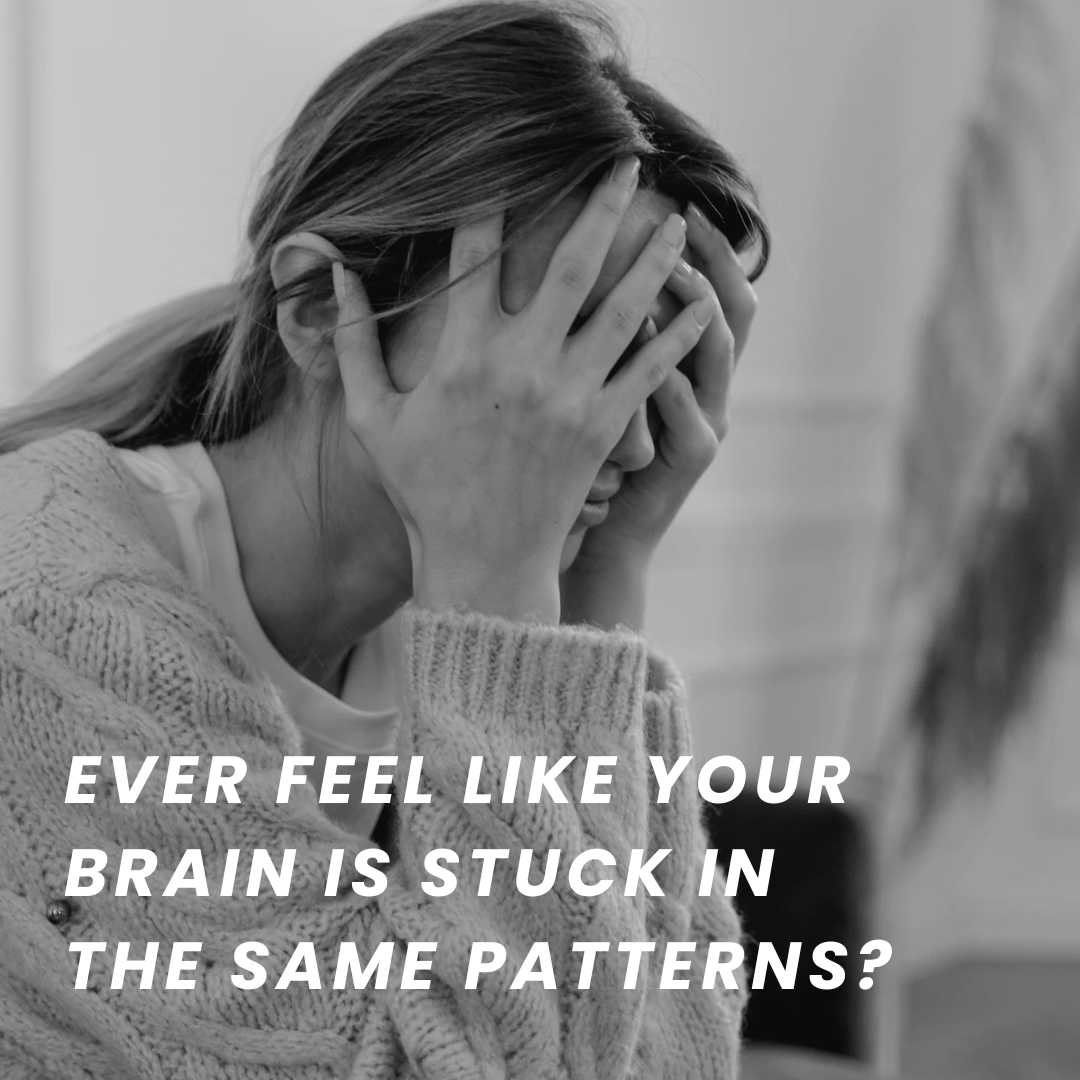
Have you ever felt like your brain is stuck?
Many people describe the feeling in different ways.
“I cannot switch my brain off.”
“My child reacts before they even think.”
“I feel constantly overwhelmed.”
“No matter how hard I try, I cannot seem to focus.”
It can feel frustrating, especially when you are doing everything you can to improve things.
Many people do not realise these experiences are often linked to patterns in the brain, something we regularly explain to families and adults visiting our neurofeedback clinic in Edinburgh.
When certain patterns repeat over time, the brain can become very efficient at running them, even when they are no longer helpful.
The encouraging part is that the brain is incredibly adaptable. With the right support, it can learn healthier and more balanced ways of functioning.
How the Brain Forms Patterns
The brain learns through repetition.
Every experience strengthens certain neural pathways. The more a pathway is used, the stronger it becomes. This is known as neuroplasticity, which refers to the brain’s ability to adapt and change throughout life.
For example, a brain that frequently experiences stress may become highly sensitive to perceived threats. A brain that struggles with attention may find it difficult to stay engaged with tasks. A brain that is constantly on high alert may struggle to relax and settle.
Over time, these responses can begin to run automatically.
This does not mean someone is doing something wrong. It simply means the brain has learned a particular way of responding to the world.
When the Brain Gets Stuck
Sometimes the brain becomes so efficient at running certain patterns that it struggles to move out of them.
This can appear in many different ways.
Difficulty focusing
Emotional overwhelm
Anxiety or constant worry
Poor sleep
Irritability
Mental fatigue or brain fog
Children reacting quickly before thinking
For parents, it can be particularly difficult to watch a child struggle with these challenges when they are trying their best.
Understanding that these responses are connected to brain regulation rather than simply behaviour or effort can often bring a huge sense of relief.
Why Trying Harder Often Does Not Work
Many people spend years trying to improve these difficulties through effort alone.
They might try new routines, mindfulness practices, better organisation systems or behavioural approaches for children.
While these strategies can be helpful, they do not always address the underlying brain patterns driving the difficulty.
If the brain is still operating in the same state, whether that is overstimulated, underactive or highly reactive, the same struggles can keep appearing.
This is where brain based approaches can make a meaningful difference.
How Neurofeedback Helps the Brain Learn New Patterns
Neurofeedback is a form of brain training that helps the brain learn to regulate itself more effectively.
During a session, small sensors are placed on the scalp to monitor brain activity. While the client watches a screen or listens to audio, the system provides real time feedback when the brain moves toward healthier patterns.
At Encephalon this feedback is delivered through a combination of visual, audio and tactile feedback.
This gentle feedback helps the brain recognise when it is operating in a more balanced state.
Over time the brain begins to strengthen these healthier patterns on its own. Rather than forcing change, neurofeedback supports the brain’s natural ability to learn and adapt.
Supporting Both Children and Adults
At Encephalon we work with both children and adults who are experiencing challenges such as
ADHD and attention difficulties
Emotional regulation challenges
Anxiety and overwhelm
Migraines and headaches
Sleep difficulties
Mental fatigue and brain fog
Every brain is unique, which is why neurofeedback training is tailored to the individual.
The aim is not to fix the brain but to help it function in a more balanced and resilient way.
This article may be helpful if you or your child experience
Difficulty focusing
Emotional outbursts or overwhelm
Anxiety or constant worry
Sleep difficulties
Migraines or headaches
Mental fatigue or brain fog
If these challenges sound familiar, neurofeedback may help support healthier brain regulation.
Neurofeedback in Edinburgh
Families and adults across Edinburgh are increasingly looking for ways to support brain health, focus and emotional regulation without relying solely on medication.
At Encephalon in Edinburgh we work with both children and adults using neurofeedback to help the brain develop healthier patterns that support attention, emotional balance and overall wellbeing.
Many clients come to the clinic after trying multiple approaches and are often surprised to discover how powerful brain training can be when the brain is given the right feedback.
A Brain That Can Adapt
One of the most hopeful things about neuroscience is that the brain is not fixed.
With the right input and training it can continue to change and grow throughout life.
For many people, understanding how the brain works is the first step toward feeling hopeful again. When we begin to work with the brain rather than against it, meaningful change becomes possible.
If you would like to learn more about how neurofeedback works, or whether it may be suitable for you or your child, the team at Encephalon is always happy to answer questions and guide you through the process.
Curious whether neurofeedback could help you or your child?
If you would like to learn more about how neurofeedback works or whether it may be suitable for you or your child, the team at Encephalon Edinburgh would be happy to help.
Book a discovery call
Contact our clinic