From Uncertainty to Self-Mastery
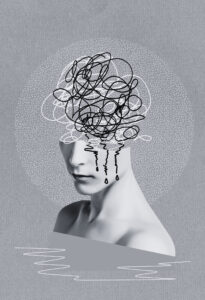
Living with Functional Neurological Disorder (FND) can feel like starring into a medical mystery in which every test says you are ‘fine’, yet your body insists otherwise. Legs refuse to move, hands tremble, vision blurs or seizures arrive without warning. The absence of visible damage on an MRI can leave people doubting themselves, while friends, employers and even clinicians sometimes question the reality of the experience. No wonder many describe the early months, or years, after diagnosis as a fog of confusion, fear and isolation.
Neuroscience is gradually lifting that fog. Modern imaging shows that in FND the problem lies in how brain networks talk to one another, not in physical lesions. In other words, the “hardware” is intact; it is the “software” that is glitching. That insight opens the door to treatments aimed at restoring healthy communication rather than repairing tissue, and neurofeedback is emerging as one of the most direct ways to do exactly that.
Understanding the ‘Software Bug’
Research over the last decade has traced FND symptoms to mis-timed signals among regions that govern movement, emotion and bodily awareness. When the limbic system (our threat-detection network) stays on high alert, it can drown out more rational motor-planning circuits. The result might be a limb that freezes, a tremor that surges or a seizure that hijacks consciousness. Crucially, those signals are real and measurable, they simply arise from functional misfires rather than structural harm.
Shifting the story from “nothing is wrong” to “something is wrong with the way the brain is firing” is profoundly validating for people who have been told their symptoms are “all in the mind.” Validation, however, is only the first step. The next question is obvious: How can I calm the mis-fires?
Neurofeedback for Functional Neurological Disorder
-
Escaping Diagnostic Limbo – Neurofeedback is inherently symptom-based; the training protocol is customised to the exact pattern of brain instability driving your tremor, weakness, pain or non-epileptic seizures. Because Functional Neurological Disorder presents uniquely from one person to the next, this individual mapping ensures the therapy targets what you feel, not a generic template. The result is a treatment as diverse as FND itself, precisely tuned to calm the circuits behind your personal symptoms.
-
Making the Unpredictable Predictable – Many FND flare-ups follow subtle spikes in stress that only become obvious in hindsight. Neurofeedback trains real-time body awareness. Clients learn to notice the internal tremor, heart-rate shifts, jaw tension, shallow breathing, before it snowballs into a seizure or gait freeze. With practice, early warning becomes early intervention.
-
Bridging the Mind-Body Divide – FND sits between neurology and psychiatry, and traditional care can feel fragmented. Neurofeedback fuses the two, pairing mental focus with physical regulation in the same session.
-
Restoring Agency – Perhaps the greatest gift is psychological. Nothing is done to the client; instead they train their own brain, session by session. That lived sense of control spills into daily life.
The Bigger Picture
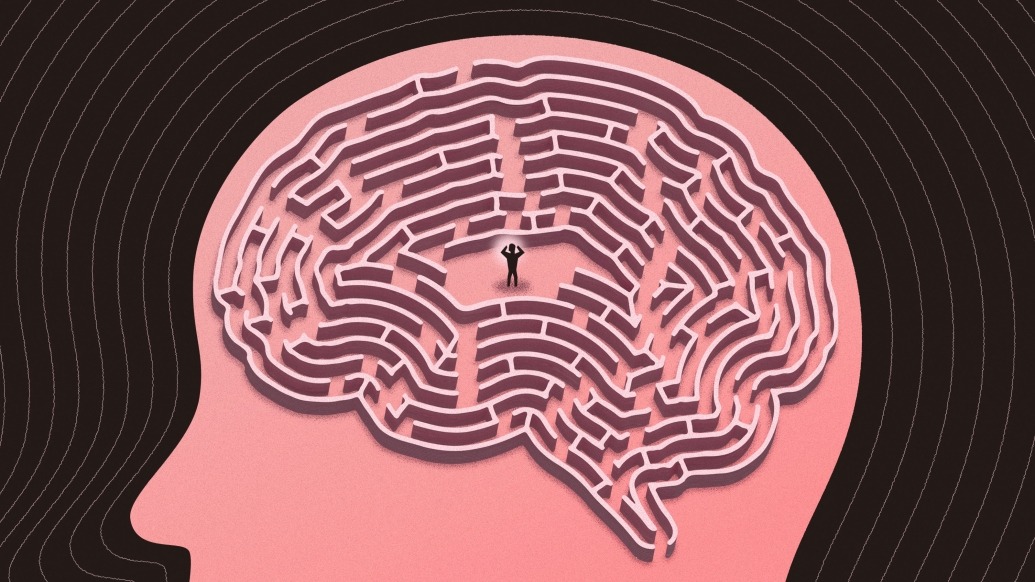
Half of UK health boards still have no formal pathway for FND, leaving many people to navigate a maze of appointments that can stretch over years. Yet the tide is turning. As more clinicians grasp that FND is a disorder of brain circuitry, an error message rather than broken hardware, treatments aimed at rewiring that circuitry move centre stage. Neurofeedback sits alongside cognitive-behavioural therapy, graded-motor exposure and, in some centres, non-invasive brain stimulation. Hybrid approaches that use magnetic stimulation to prime the brain, followed by neurofeedback to consolidate the gains, are already under investigation.
Looking Forward
If you or someone you love lives with FND, remember: the absence of structural damage does not mean the absence of real dysfunction, or real hope. Neurofeedback offers a direct, experiential way to retrain the mis-timed conversations inside the brain. It is non-invasive, medication-free and, above all, collaborative. The therapist guides, but the learner is the brain itself.
At Encephalon we offer a complimentary virtual consultation to explore whether this approach fits your situation. If suitable, we will arrange an initial assessment, where we explore your history, and build and individualised neurofeedback plan tailored to your individual needs. With neurofeedback, you are not just managing symptoms, you are teaching your brain a new way of functioning, one session at a time. If you are ready to book your free consultation call click here and fill out our form.