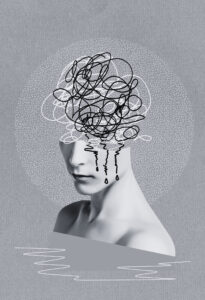
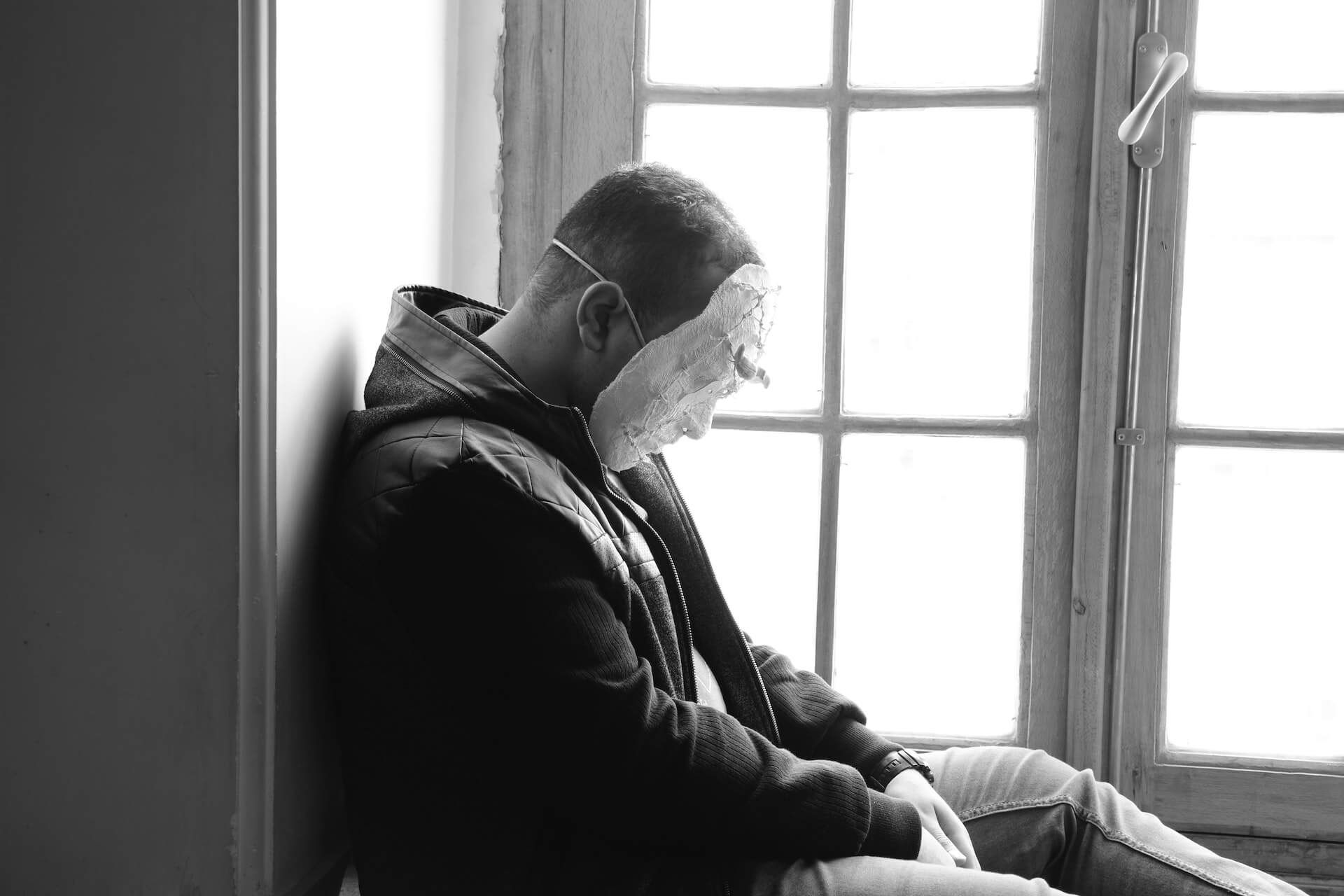
In today’s increasingly aware society, conversations around ADHD and autism have become more common and more nuanced. But beneath the growing understanding lies a hidden and often misunderstood challenge: masking and the burnout it causes. For many individuals with ADHD or autism, the effort to ‘pass’ as neurotypical in daily life is mentally and emotionally exhausting, leading to profound consequences for mental health. At Encephalon, where we specialise in neurofeedback for developmental and neurological disorders, we believe in shedding light on these often-overlooked aspects of neurodivergent experiences.
What is Masking?
Masking is the conscious or unconscious suppression of natural behaviours in order to confirm to societal expectations. In individuals with ADHD or autism, this often means mimicking neurotypical communication styles, hiding stimming behaviours, forcing eye contact or suppressing impulses and distractibility. It can also involve rehearsing conversations, over-monitoring facial expressions, and continuously editing one’s behaviour to appear ‘normal’.
While masking can be a survival strategy, especially in school or work environments, it comes at a high cost. People who mask are not necessarily thriving; they are enduring. They expand tremendous cognitive and emotional energy trying to fit in, energy that others might use to grow, connect, and create.
How masking manifests in ADHD
For people with ADHD, masking can look like overcompensating for disorganisation, hyperactivity, or inattention. This might involve using an excessive number of organisational tools, rehearsing tasks to perfection, or avoiding group situations where impulsivity might show. Children with ADHD may supress their natural curiosity or excitement, while adults may push themselves to meet deadlines using unsustainable bursts of energy.
Many people with ADHD learn from a young age that their behaviours are seen as disruptive, lazy, or careless. Over time, they internalise these perceptions, leading them to work harder and harder to appear in control – even when they’re struggling. This disconnect between internal chaos and external calm can be exhausting.
How masking manifests in Autism
In autism, masking is often referred to as ‘camouflaging’. It includes a wide range of strategies such as forcing eye contact, mimicking social behaviours, or suppressing special interests. For autistic women and girls especially, camouflaging can be so effective that they are often diagnosed later in life, if at all.
Autistic masking tends to be particularly taxing because it may involve copying entire behavioural scripts that don’t come naturally. This not only depletes energy but also creates a sense of disconnection rom one’s authentic self. Many autistic individuals describe feeling like actors in their own lives – constantly on stage, afraid of being found out.
The link between masking and burnout in ADHD and Autism
Overtime, the mental toll of masking can lead to what many in the neurodivergent community describe as ‘autistic burnout’ or ‘ADHD burnout’.
Burnout is not simply tiredness. It is a state of profound physical, emotional, and cognitive exhaustion caused by prolonged masking, stress, and a lack of accommodations. It can manifest as:
- Increased sensitivity to sensory input
- Reduced ability to function in daily tasks
- Withdrawal from social interests
- Heightened anxiety and depression
- Physical symptoms like headaches, fatigue, or digestive issues
Because burnout is often mistaken for laziness or regression, it may go unrecognised by healthcare providers and loved ones. For neurodivergent people, burnout can be a recurring, long-lasting state that dramatically lowers quality of life.
Impact on Mental Health
The mental health implications of chronic masking and burnout are far-reaching. Individuals may experience:
- Depression: A persistent feeling of failure or inadequacy from never meeting perceived expectations
- Anxiety: The fear of being ‘found out’ or socially rejected
- Identity confusion: Uncertainty about one’s real self versus the masked persona
- Low self-esteem: Internalising the message that natural behaviours are wrong or inappropriate
These issues are often exacerbated by a lack or understanding or support. Friends, family, and employers may not realise the sheer effort required to appear neurotypical. As a result, neurodivergent individuals may suffer in silence, feeling unseen even in plain sight.
The Role of Neurofeedback
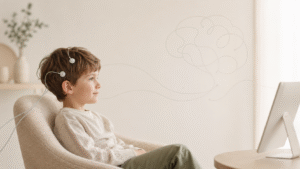
At Encephalon, we offer neurofeedback as a part of a holistic approach to managing symptoms of ADHD and Autism that may be distressing and difficult to manage. Neurofeedback is a non-invasive technique that helps the individual regulate their brain, creating more balance, with improved executive and emotional control.
For those dealing with masking and burnout, neurofeedback offers a chance to recalibrate. It supports the nervous system in returned to a more balanced state, allowing the individual to operate from a place of authenticity rather than constant compensatory effort. While it is not considered a cure, it can be a powerful tool in a comprehensive mental health strategy.
Moving towards Authenticity
Addressing masking and burnout in ADHD and Autism means creating spaces with neurodivergent individuals can be themselves without fear of judgement or exclusion. This involves:
- Promoting neurodiversity in the workplaces and schools
- Encouraging self-advocacy and acceptance
- Providing accommodations and flexible environments
- Educating families, employers, and educators about the hidden costs of masking
On a personal level, it means giving oneself permission to rest, stim, speak honestly, and embrace neurodivergent traits as part of one’s identity.
Masking and burnout in ADHD and autism are not just challenges of individual behaviour, they are reflections of a society that often demands conformity at the cost of mental well-being. By understanding the toll of masking and supporting neurodivergent people through tools like neurofeedback, we can help move towards the world that values authenticity over appearance and health over performance.
A growing body of research is shedding light on the profound mental health impacts of masking and burnout in autistic and neurodivergent adults. Studies have explored how camouflaging behaviours, often used to fit into social and workplace norms can lead to exhaustion, anxiety, and even depression. From personal accounts to thematic analyses of online discussions and workplace experiences, these findings offer critical insights into the hidden cost of masking. Below are several key studies that highlight these realities and validate the lived experiences of many in the neurodivergent community.
At Encephalon, we are committed to empowering individuals through brain-based interventions that honour the whole person. If you or someone you love is struggling with burnout, know that this is not a personal failing, it is a sign of just how hard you have been trying. You deserve support that works with your brain, not against it. You can read more on neurofeedback for ADHD and Autism here.
If you or someone you love is struggling with the silent toll of masking or burnout, you’re not alone, and support is available. At Encephalon in Edinburgh, we specialise in personalised neurofeedback that helps regulate the nervous system and restore mental wellbeing. Book a free consultation today and take the first step toward healing.